Mulberry Green, Harlow, Essex. CM17 0EY
Tel: 01279 438199 Mob:07814 623879
Author: Dimitris
-
Batts Table Tennis and Multi Activity Centre
-

TJ Table Tennis Interview
TJ recently featured in an interview with Table Tennis England, sharing insights into his journey, passion for the sport, and experiences within the table tennis community. It’s a great opportunity to hear his perspective and learn more about the dedication and values that drive both TJ and the club forward.
-

Tournament 24.01.2026
TT65 Equipment 24.01.2026
Location:
TJ TTC Kidbrooke, 122 Broad Walk, London
SE3 8NDEmail us at : tjtabletennis@yahoo.com for details
-

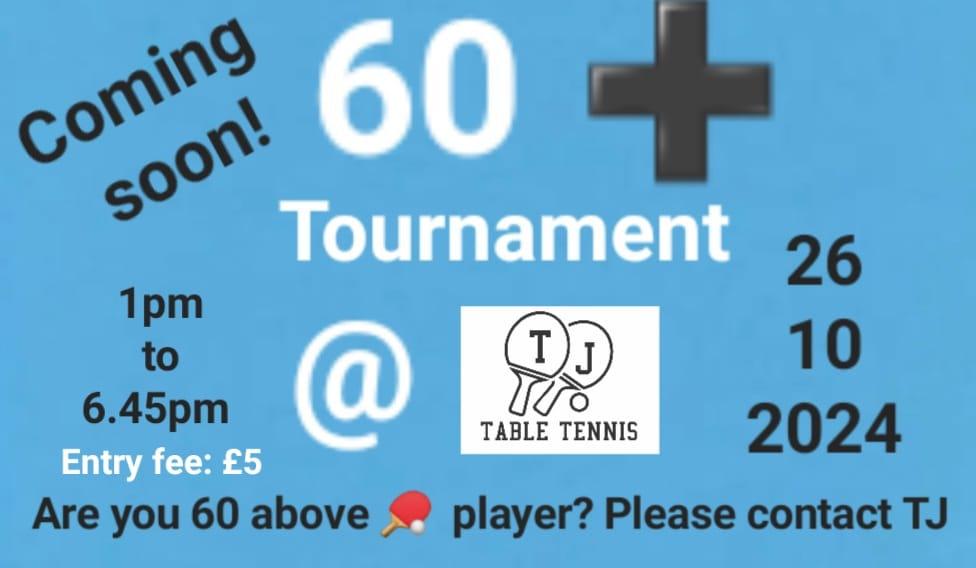
Tounament 26-10-2024
This tournament has now ended. We will be informing you about future tournaments. Please check back soon.
-

A Begginer’s Guide on Playing Table tennis
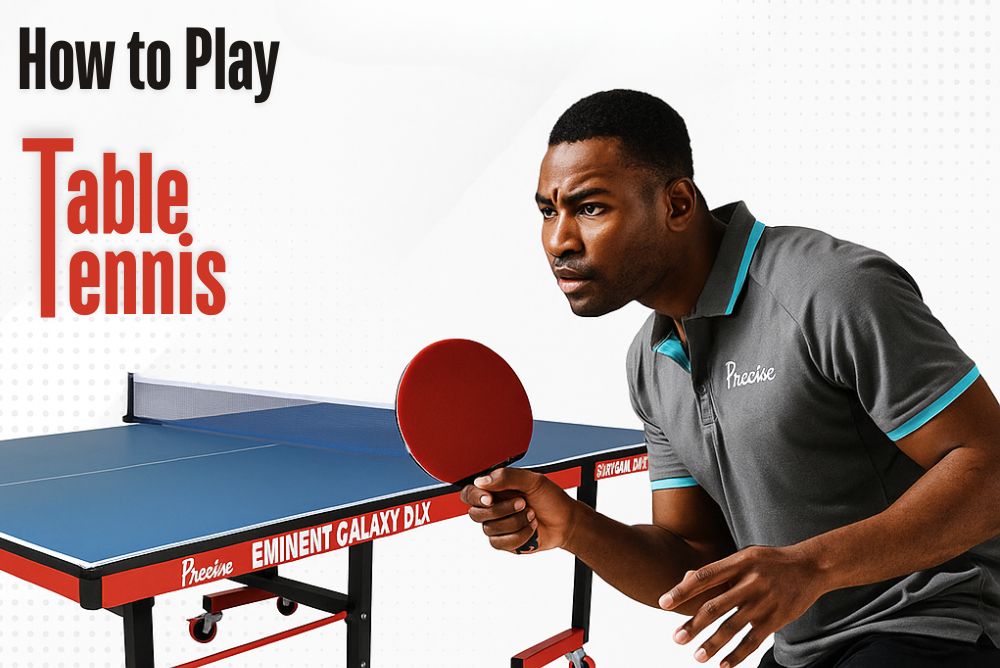
How to Play Table Tennis 🏓
A Simple Beginner’s Guide
Table tennis (also known as ping-pong) is a fun, fast, and exciting sport that anyone can enjoy. You don’t need expensive equipment or years of training to start — just a table, a bat, a ball, and some enthusiasm!
Let’s learn the basics.
What You Need
To play table tennis, you only need a few things:
- 🏓 A table tennis table (with a net in the middle)
- 🏓 A bat (racket)
- 🏓 A table tennis ball
- 🏓 A partner (or even a wall for practice!)
Basic Rules of the Game
Table tennis is simple once you know the rules:
- A match is played to 11 points
- You must win by at least 2 points
- Players serve every 2 points
- The ball must:
- Bounce once on your side
- Then once on your opponent’s side
How to Hold the Bat
There are two common grips:
1. Shakehand Grip
- Most popular worldwide
- Hold the bat like you are shaking hands
- Easy for beginners
2. Penhold Grip
- Popular in Asia
- Hold the bat like a pen
- Allows fast wrist movement
👉 Beginners usually start with the shakehand grip.
How to Serve
Serving starts every rally.
Simple serve rules:
- Place the ball on your open palm
- Toss it upwards
- Hit it so it bounces:
- Once on your side
- Once on the opponent’s side
A good serve gives you control and starts the rally fairly.
Basic Strokes
You don’t need fancy shots to begin. Focus on these two:
Forehand
- Hit the ball with the front of your bat
- Most natural and powerful stroke
Backhand
- Hit the ball across your body
- Great for quick and controlled shots
Try to keep the ball on the table, not too fast at first.
Simple Tips for Beginners
✔ Keep your knees slightly bent
✔ Stay light on your feet
✔ Watch the ball carefully
✔ Don’t hit too hard — control comes first
✔ Practice regularly and have fun!
Why Table Tennis Is Great
- Improves reflexes and coordination
- Good exercise for the brain and body
- Can be played at any age
- Fun socially or competitively
Final Thoughts
Table tennis is easy to learn but takes time to master. Start simple, enjoy the rallies, and don’t worry about mistakes — every point is a chance to improve.
So grab a bat, hit the table, and enjoy the game! 😄🏓
-

History of Table Tennis
1. Origins (1880s–1890s) – England 🇬🇧
Table tennis began in late-19th-century England as an after-dinner parlour game among the upper classes.
- Played indoors on dining tables
- Books used as nets
- Cigar box lids or parchment as bats
- Wine corks or rubber balls as balls
Early names included:
- Whiff-Whaff
- Gossima
- Parlour Tennis
2. The Name “Ping-Pong” (1901)
In 1901, the name Ping-Pong became popular because of the sound the ball made.
- The term “Ping-Pong” was trademarked by J. Jaques & Son (England)
- Later sold to Parker Brothers (USA)
- Because of trademark restrictions, clubs adopted the name “Table Tennis”
➡️ This is why today:
- Table Tennis = sport
- Ping-Pong = casual or recreational term
3. Early Equipment Evolution (1900–1920)
Major changes shaped the modern game:
Balls
- Switched to celluloid balls (lighter, bouncier)
Bats
- Early bats were wood only
- Around 1902, players added:
- Rubber
- Pimpled rubber
- Spin became possible for the first time
4. Organization & Rules (1920s)
- 1926:
- International Table Tennis Federation (ITTF) founded in Berlin
- First World Championships held in London
Early dominant countries:
- England 🇬🇧
- Hungary 🇭🇺
- Austria 🇦🇹
Hungarian players developed strong spin and looping techniques
5. Sponge & Rubber Revolution (1950s)
A huge turning point.
- 1952: Japanese player Hiroji Satoh
- Introduced sponge rubber
- Won the World Championship
🔴 Effects:
- Faster game
- Much more spin
- Traditional defensive styles struggled
This forced rule changes and modernised equipment standards.
6. Rise of Asian Dominance (1960s–Present)
Japan 🇯🇵
- Early innovators
- Introduced penhold grip
China 🇨🇳
- Became dominant from 1960s onward
- Developed:
- Shakehand + penhold hybrid styles
- Powerful looping & close-to-table play
Today, China is the most successful nation in table tennis history.
7. Olympic Sport (1988)
Table tennis became an Olympic sport at the Seoul 1988 Games.
Events included:
- Singles
- Doubles (later replaced by team events)
8. Modern Rule Changes (2000s)
To make the sport more spectator-friendly:
- 2000:
- Ball size increased from 38mm → 40mm
- 2001:
- Games changed from 21 points → 11 points
- 2014:
- Celluloid balls replaced by plastic (poly) balls
9. Table Tennis Today
- Played by 300+ million people worldwide
- Fastest racket sport
- Professional leagues, world tours, Olympics
Styles include:
- Attacker
- Defender (chopper)
- All-rounder
Timeline Summary
- 1880s – Parlour game in England
- 1901 – “Ping-Pong” name appears
- 1926 – ITTF founded
- 1952 – Sponge rubber revolution
- 1988 – Olympic debut
- 2000–2014 – Modern rule & equipment changes